


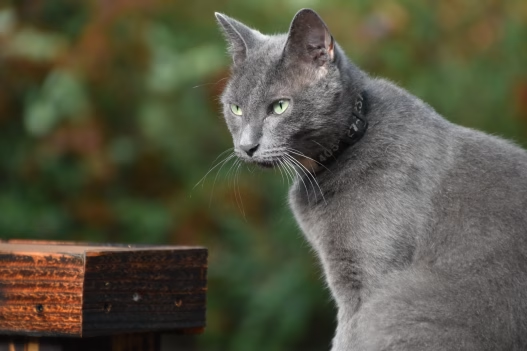

A catio, short for “cat patio” is more than just an outdoor enclosure for your cat babies. It’s a lifestyle choice that blends enrichment with peace of mind. Whether your catio is a DIY balcony setup or a fully customized backyard build, routine maintenance and care are essential to ensure it remains safe, clean, and inviting year-round.
In this semi-guide, we’ll explore the basics of catio upkeep, how to perform regular safety checks, and the simple treatments you can apply to prolong the life of your catio and keep your feline family members protected.
Why Catio Maintenance Matters
Catio maintenance isn’t just about appearances—it’s about health and safety. Over time, even the best-built catios can suffer from wear and tear, especially if they’re exposed to changing weather, moisture, and temperature extremes. Common risks of a neglected catio include: 
- Loose wire mesh that can create sharp edges or escape routes
- Rusted or rotting hardware and framing materials
- Mold or mildew buildup from water exposure
- Pest infestations (ants, spiders, wasps)
- Tripping hazards from torn flooring or clutter
By committing to regular maintenance, you’ll reduce the risk of injury, ensure the structure remains sound, and keep your cat excited to explore their outdoor kingdom.
Monthly Catio Inspection Checklist
Here’s a basic monthly checklist to keep your catio in tip-top shape:
Check the frame for stability: Gently shake support beams and corners. There should be no wobble or movement. Tighten or replace any loose screws or fasteners.
Inspect mesh or netting: Look for tears, rust, or areas where the mesh has come away from the frame. Cats can be persistent, and even a small gap could turn into an escape route.
Look for water damage: Examine wood for soft spots, discoloration, or mold. If your catio has roofing, ensure it’s not leaking or sagging.
Clean all surfaces: Use a pet-safe disinfectant to wipe down shelves, hammocks, and flooring. Remove leaves, fur, and dirt.
Test latches and doors: Make sure all gates, doors, or hatches close securely. Rusty hinges or faulty locks can lead to accidents.
Inspect shade and shelter: Cats love lounging, but UV exposure and rain can be harmful. Make sure shaded areas are still intact, and that any coverings haven’t torn or degraded.
Basic Treatments for Longevity
Whether you’ve built your catio from wood, metal, or PVC, a few key treatments can help extend its life:
Wood: Seal and Protect
- Use a non-toxic, pet-safe wood sealant annually to prevent rot and moisture damage.
- Avoid pressure-treated wood unless it’s sealed, as some contain chemicals unsafe for cats.
- Sand any rough or splintered areas before they get worse.
Metal: Prevent Rust
- For wire mesh or metal frames, apply a rust-resistant spray or coat any exposed metal.
- Use stainless steel or galvanized hardware, which holds up better against rain and humidity.
- If rust spots appear, scrub with a wire brush and treat with rust-neutralizing primer before repainting.
UV-Protection for Fabrics
- If your catio has cushions, hammocks, or fabric shades, look for UV-resistant outdoor fabric.
- Wash soft surfaces regularly, and replace sun-damaged or moldy materials immediately.
Clean with Care
- Stick to natural cleaners like diluted vinegar or a baking soda paste for routine cleanups.
- Avoid ammonia-based products—cats can confuse the scent with urine and may stop using the catio altogether.
Weatherproofing Tips
Every season brings its own set of challenges, so it’s a good idea to prepare your catio for year-round exposure.
Rain and Snow
- Use angled roofing or waterproof covers to prevent water pooling.
- Elevate wooden flooring to avoid ground contact, especially in areas prone to flooding.
- Drainage holes in flooring or plastic mats help keep the space dry.
Sun and Heat
- Install shade sails or UV-reflective covers in sunny climates.
- Provide raised platforms and hideaways where cats can escape direct sunlight.
- Use ceramic tiles or cooling mats to give cats a cool place to lay down.
Fall and Winter
- Keep an eye out for fallen leaves, snow buildup, and frost-damaged surfaces.
- Use windbreaks (clear vinyl panels or acrylic sheets) to shield your cat from cold drafts.
- Heated cat pads or insulated cubbies can help keep things cozy.
Keeping It Enriching
Catio safety is the priority, but enrichment is what makes your cat want to use it daily. Over time, cats can get bored—even outdoors. Keep things interesting with:
- Rotating toys: Swap out feather wands, catnip balls, or climbing objects monthly.
- Adding perches: Cats love vertical space. Add a new shelf, hammock, or lookout post.
- Cat-safe plants: Grow cat grass or catnip in pots (avoid toxic plants like lilies or aloe).
- Scratch stations: Provide sisal-covered poles or wooden scratchers to encourage healthy habits.
Pest and Predator Protection
Even in a secure catio, unwanted guests can sneak in or threaten from outside. Here’s how to prevent it:
- Seal small openings with hardware cloth—avoid chicken wire, which is easy for predators to tear.
- Keep food out: Never leave food or treats in the catio overnight, as it attracts raccoons, ants, and wasps.
- Use natural deterrents: Peppermint oil or citrus sprays can discourage ants and spiders (just make sure your cat isn’t sensitive).
- Install motion lights if you live in an area with coyotes or other nocturnal animals.
Emergency Repairs Kit
It’s smart to have a small catio repair kit on hand for quick fixes. Here’s what to include:
- Zip ties (for temporary mesh fixes)
- Screwdriver and replacement screws
- Wire cutters
- Extra mesh/netting
- Pet-safe wood filler
- Non-toxic sealant or paint
- Gloves and cleaning rags
That way, if you notice damage during a routine check, you can fix it before it becomes a hazard.
Final heads up.
Your catio is a magical blend of freedom and protection. But just like any outdoor structure, it needs a little love to stay safe and functional. With regular inspections, seasonal prep, and thoughtful upgrades, your cat will enjoy their secure slice of the outdoors for years to come.
Plus, a well-maintained catio doesn’t just benefit your cat—it gives you peace of mind. You’ll rest easy knowing they’re lounging, stalking butterflies, or snoozing in the sun without the risks that come with outdoor roaming.
So, grab your checklist, give your catio a little TLC, and get ready to watch your cat thrive!
Cornell University College of Veterinary Medicine – Indoor Cats and Environmental Enrichment
https://www.vet.cornell.edu/departments-centers-and-institutes/cornell-feline-health-center/health-information/indoor-cats-and-environmental-enrichment
This article provides detailed guidance on how to enrich indoor environments for cats, which aligns well with the purpose of a catio. It offers insight into feline behavior and ways to keep cats mentally and physically stimulated.
Ohio State University – Indoor Pet Initiative: Cat Housing and Environmental Needs
https://indoorpet.osu.edu/cats/environmental-enrichment-resources
This resource dives into the best practices for creating safe, stimulating environments for indoor cats, including housing, play, and environmental considerations—useful context for those maintaining catios.